Price vs. Worth: Is it Replacing Siding Valuable in London?
Swapping the exterior cladding on your property can seem like a significant choice, especially in a city like Ontario's London, where the climate presents unique challenges. Property owners often struggle with the equation of cost versus worth, weighing the short-term expenditure against the sustained benefits. With Southwestern Ontario's notorious fluctuations between freezing and thawing, understanding how they affect residential siding can be crucial in making an wise decision.
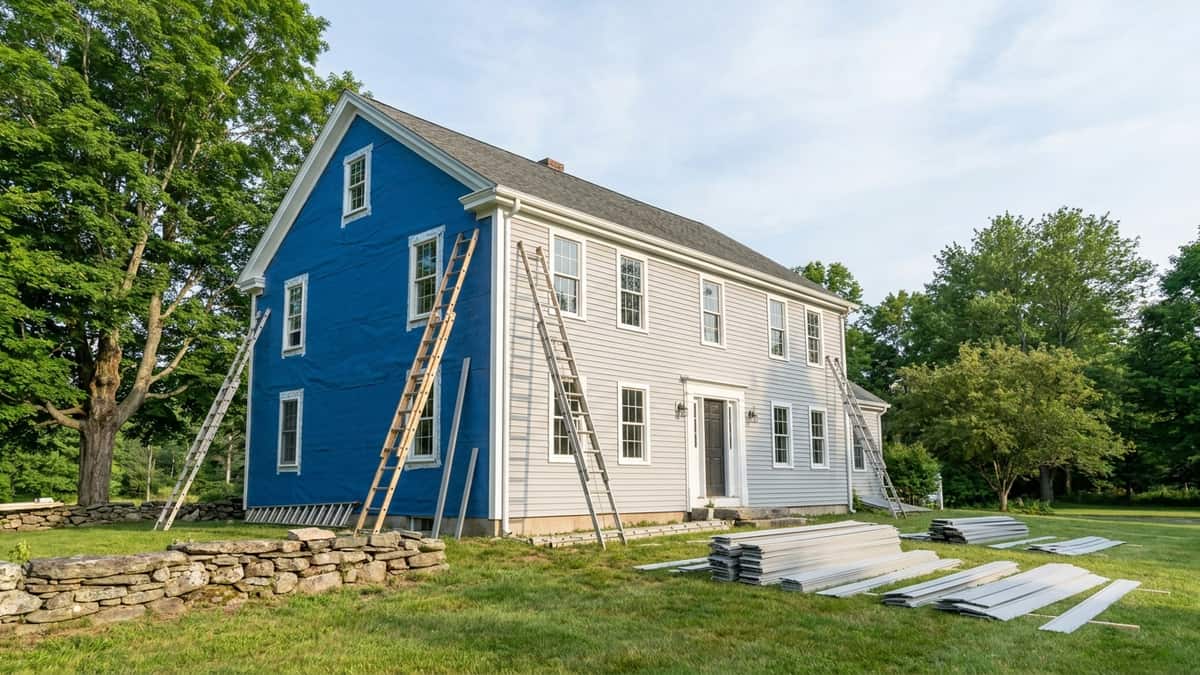
For a lot of people, the possibility of improving energy efficiency, enhancing the aesthetic of the property, and increasing the market value of their house makes siding replacement an appealing choice. This article discusses various aspects of siding installation specifically in London, from contrasting materials like James Hardie and vinyl cladding to understanding the importance of correct installation techniques. As we delve into the various factors, including budget expectations and the potential for preserving heritage features in areas like Wortley Village neighborhood, you'll acquire knowledge to help you decide whether this spending is justifiable for your property.
Comprehending Siding Materials
As considering exterior cladding replacement in London, property owners have a selection of options to choose from. Each option shows its unique benefits and drawbacks, reflecting both aesthetic and practical aesthetic preferences and practical requirements. Common types include vinyl siding, fiber-cement siding, engineered wood, and metal cladding, each suited for varied budgets, upkeep needs, and energy efficiency needs. Understanding these options is crucial for making an informed decision that matches the home's overall design and the local climate.
Vinyl cladding is one of the top options due to its affordability and minimal upkeep. It comes in various hues and styles, allowing homeowners to achieve their desired look without the necessity of regular repainting. Nonetheless, its functionality can be affected in Southwestern freeze-thaw cycles, which may lead to warping or fissures over time. On the other hand, fiber-cement cladding, such as the James Hardie brand, offers outstanding strength and protection to water and pests, rendering it a viable option for homes in more severe climate environments.
For those looking to mix aesthetics with environmental consciousness, options like engineered wood cladding, including CanExel brand and LP SmartSide brand, provide a combination of beauty and practicality. These materials are treated for durability and come with a wide range of textures that can replicate the look of real wood. Additionally, metal siding, such as seamless steel and aluminium, offers exceptional tolerance to adverse weather while needing little maintenance. Evaluating these options against the specific conditions of London will help guarantee long-lasting satisfaction with your siding choice.
Pricing Assessment of Exterior Cladding Replacement
The cost of exterior cladding replacement in the city of London, Ontario, can vary significantly based on multiple factors. Homeowners should prepare to spend approximately 7 to seventeen dollars per sq ft for conventional vinyl siding, while high-quality materials like James Hardie fiber cement can vary from ten to twenty-five dollars per square foot. Additionally, labor costs can also affect overall pricing, which commonly averages between 40 to eighty dollars per hour, depending on the skill of the crew and the difficulty of the job. As a result, total costs for a complete siding replacement could range from 5k to $25,000 dollars or higher.
Aside from material prices, additional factors should be taken into account. For Siding Contractors London Ontario , ensuring proper installation, which includes adequate house wrap and rain screen systems, is vital to avert subsequent issues like mold and structural damage. Homeowners may also want to consider perpetual exterior insulation to enhance thermal efficiency, which can lead to sustained savings on energy bills. These additional features, while raising starting prices, can yield a more energy-efficient home and may raise property sale value, making them a worthwhile consideration.
When comparing repair versus complete replacement, it is essential to evaluate the extended benefits of each alternative. While maintenance may seem more cost-effective initially, they may not fix underlying issues such as insect infiltration or decay, causing to higher expenses down the path. For historic homes in areas like Wortley Village, adhering to historic conservation guidelines could also impact the complete funds. Balancing Siding Replacement London Ontario with possible sustained value is critical for homeowners contemplating siding replacement in London.
Impact on Home Value and Energy Efficiency
Replacing exterior cladding can have a considerable positive effect on home value, particularly in a market like Ontario's London. New siding not only enhances the visual attractiveness of a property but can also demonstrate to potential buyers that the home has been well-maintained. Research show that homes with contemporary siding installations can see a ROI of up to three-quarters or more when sold, making it a smart choice for homeowners considering improvements.
In addition to boosting resale value, new siding greatly improves energy efficiency. The thermal insulation properties of modern materials, especially when combined with integrated exterior insulation, help to minimize heating costs during chilly winters. By halting Siding Replacement London Ontario , homeowners can enjoy more consistent indoor conditions, lowering the dependence on heating systems and ultimately cutting energy bills. This energy efficiency, along with improved comfort in the home, can be a attraction, appealing to buyers who prioritize sustainability.
Furthermore, the right selection of siding materials can also strengthen the durability of a home against the harsh climate conditions in Southwestern Ontario. This means less repair costs and an longer lifespan for the property's exterior. As homeowners put money in durable, weather-resistant options, they not only protect their homes against issues like mold and rot but also signal about the long-term value they place on their property and energy efficiency.